Seeds of Exchange: Canton and London in the 1700s – London (United Kingdom)
Symposium organised as part of the exhibition: Seeds of Exchange: Canton and London in the 1700s
Symposium organised as part of the exhibition: Seeds of Exchange: Canton and London in the 1700s
This symposium explores the ways in which literature responds, in its imaginary spaces, to disrupted, destroyed and transformed landscapes.
Jan Synowiecki’s research offers a fresh insight into the history of the gardens and their relationship with the city.
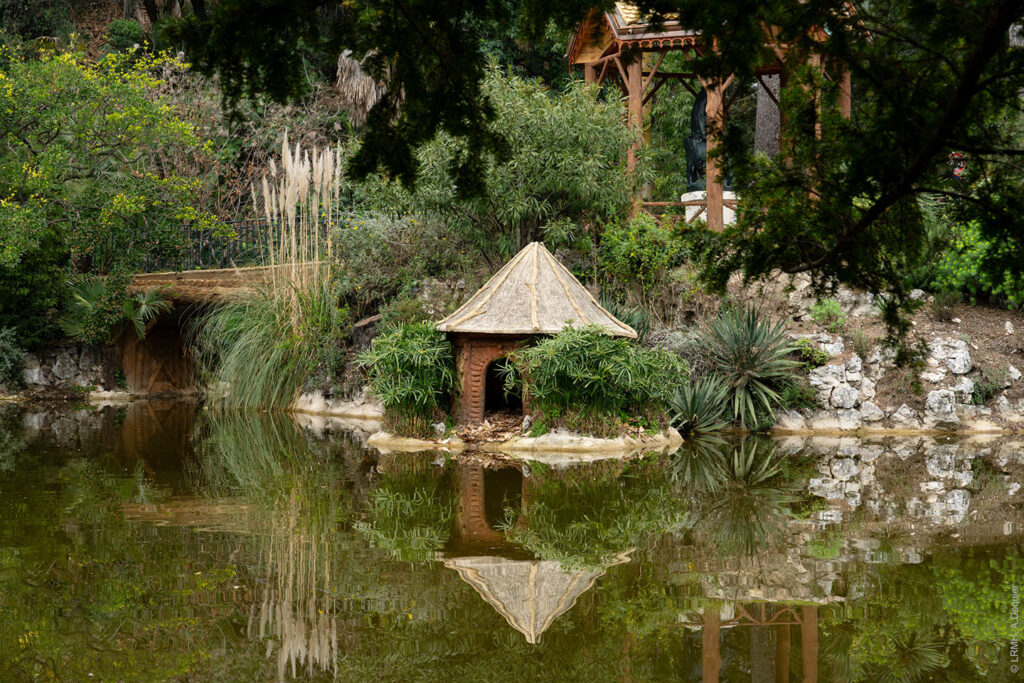
This conference is associated with the ongoing ArtCim (2024 – 2026) research project, focusing on the characterisation and restoration of rock gardens and rustic garden decoration.

Despite a considerable number of mentions by gardeners, landscapers and historians, information on ‘our’ La Quintinie is scarce and inconsistent. His unique printed work – the Instruction – together with his only garden that continues to this day to be cultivated – the King’s Kitchen Garden – are the only solid references that remain at present.
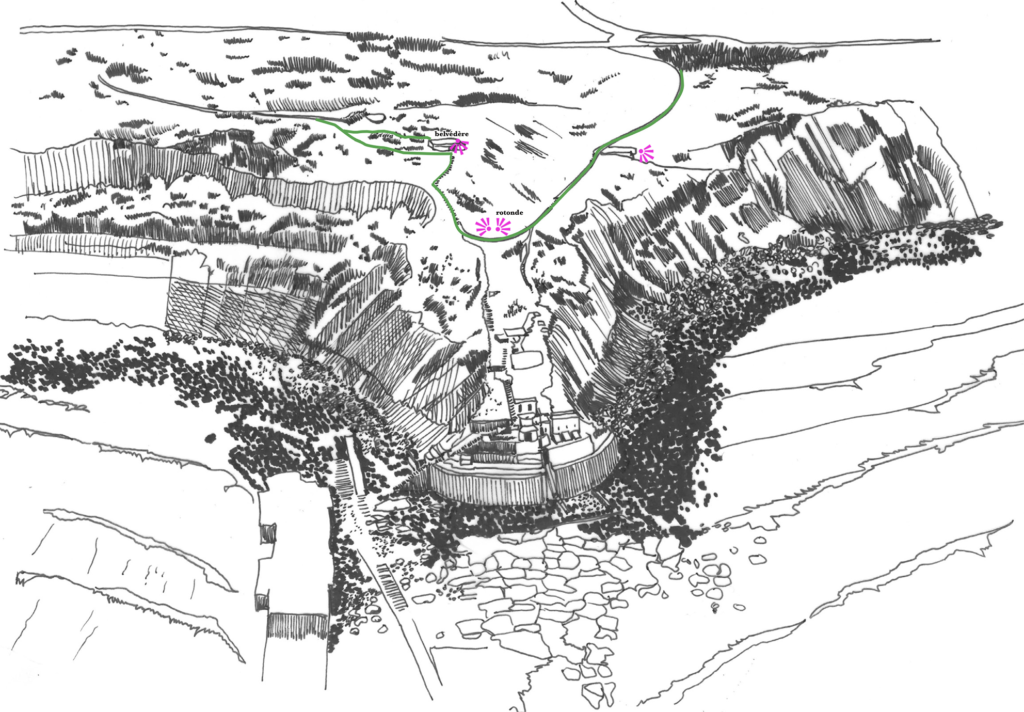
Immediately to the south of the Grand-Site de France Les Deux-Caps – property of the Coastal Conservancy – Pointe de la Crèche is a strategic ecological landscape zone offering exceptional panoramic views, shaped by a delicate balance between natural spaces and the urban influence of Wimereux and Boulogne-sur-Mer.

8th Winter Conference of the Jardins i Jardiners Association.
The history and structure of gardens hold endless surprises and fascinating connections withother disciplines.

Designed as of 1811 by Louis-Martin Berthault (1770-1823), the Château de Compiègne’s park and gardens marked a radical turn in novel landscape design for an official residence.
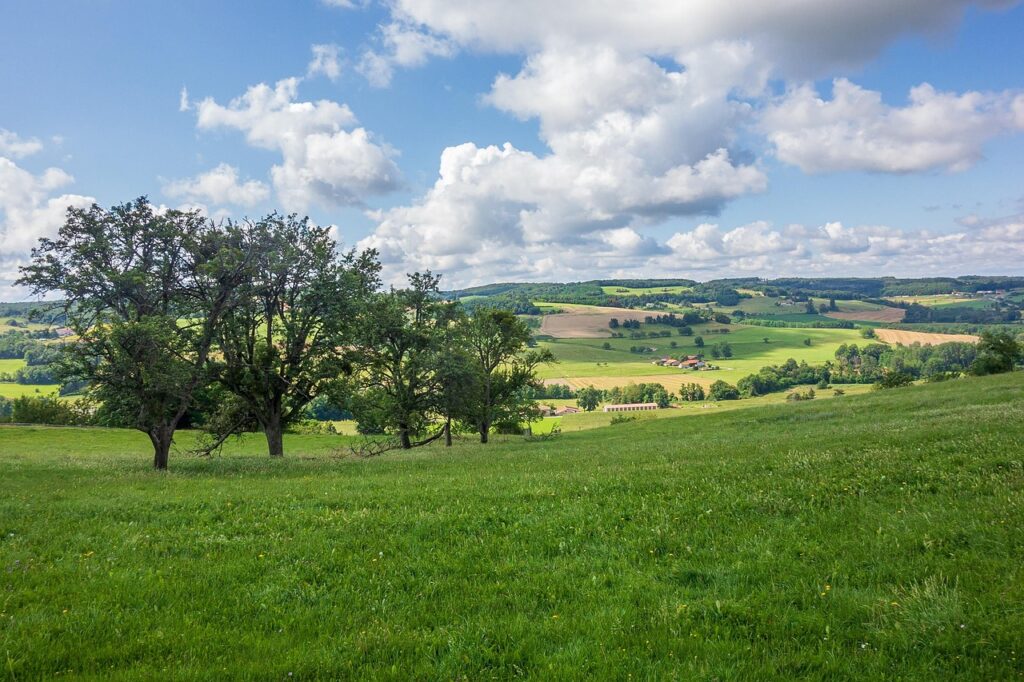
On the scale of agricultural history, meadows are a relatively recent innovation in Normandy’s landscape.

This conference will focus on the development of the city of Nice and its surroundings after the second half of the 18th century.

From paths to paths and from landscapes to landscapes, the international conference ‘Paysage en chemin/s’ aims to bring together points of view, experiences and knowledge about landscape, following the paths of teachers and researchers, as well as authors and professionals, who were trained as part of the Diplôme d’études approfondies “Jardins, paysages, territoires” (JPT) between 1991 and 2005.
Fondazione Benetton announces the theme of the twenty-second edition of the International Study Days on Landscape: Healthscapes. Landscape, the Contemporary Meaning of Care, and the Fallacy of Wellbeing.

As from 1557, Château-Neuf in Saint-Germain-en-Laye became an elegant pleasure palace boasting stunning views over its surroundings. Henri IV of France had it transformed into a spectacular country home with gardens spreading down towards the river over a succession of terraces.

Every year, in a political aim to encourage and support young researchers, the INHA (French National Institute for Art History) invites a research collective to propose a creative scientific project in a field related to the history of art. The Studio XIX association is the tenth collective to be hosted by the INHALab.

This conference is organised by the Association des Amis de la Villa Charlotte.

When we speak of the gardens of the Bundestag in Berlin, the reaction is often, ‘What gardens?’ These gardens are generally hidden amidst secured zones and the administrative buildings of the German parliament. Despite their great architectural quality and their location in the heart of democracy, they remain largely unknown to the public.

Loïc Mareschal is a landscaper and founder of the Phytolab landscaping agency. Resolutely focused on operational aspects, the agency approaches projects by considering the stage offered by the landscape itself.

27-28 September 2021 Knowledge transfer through gardens This symposium examines the ways that the export and importation of garden elements,

Public funding for parks has declined steadily over the past two decades – can philanthropy, business, and volunteering fill the gap?
Discover the relationship between John Bradby Blake (1745-1773), an English botanist who worked as a supercargo for the East India Company in the 1770s, his Chinese interlocutor Whang At Tong 黃遏東, and the botanical artists Bradby Blake commissioned to document plants native to Canton.

This conference will approach the concrete and symbolic role of gardens in Ancient Greek thought.

As a natural extension to the L’Oise des Jardins exhibition, Creators and Creations (1600-1920), and the eponymous publication, the departmental archives hope to initiate dialogue between disciplines so as to highlight the relevance of archives in the study of gardens and contemporary considerations on their conservation, be they associated with heritage, the environment or purely aesthetic.

In 1925, the International Exhibition of Modern Decorative and Industrial Arts consecrated and baptised a style that had already – over a few years – made a name for itself: Art Deco. For the first time in the history of international exhibitions, garden art was also on the agenda, around twenty fleeting gardens punctuating the visit.

Historic gardens were not only symbols of power, culture and elegance, but also propaganda tools for the popes, princes and cardinals who owned them. This exhibition retraces their history up to their transformation into public parks ‘for the pleasure of the people’.

This symposium asks how we manage, garden, and sustain them so that people, plants, and places can flourish together over the long term.

In 1777, the Count of Artois (1757-1836), brother to the French King Louis XVI and future King Charles X, acquired the Château de Maisons to welcome his pairs and indulge in hunting. He entrusted work to enhance the property to François-Joseph Bélanger. Yet, it was never completed…
Conference organised on the occasion of the L’Oise des jardins (Oise and its gardens) exhibition.
Conference organised on the occasion of the L’Oise des jardins (Oise and its gardens) exhibition.
Conference organised on the occasion of the L’Oise des jardins (Oise and its gardens) exhibition.

The 2025 edition of the Mediterranean Encounters, organised by Volubilis, will focus on beauty.
Conference organised on the occasion of the L’Oise des jardins (Oise and its gardens) exhibition.

In 1791, Jean-Joseph de Laborde’s decision to move the Domaine de Méréville fruit garden and to integrate it within the site’s walking path illustrates one of the principles of picturesque gardens whereby utilitarian features can still contribute to the site’s beauty.

Several accounts bear witness to the fertility and abundance of gardens around North African cities in the Ottoman period, without for as much indicating a marked divide with the medieval period.

Despite no early vocation in the field, Pascal Cribier (1953 – 2015) became one of the leading landscapers of his generation.

As the closing event for the exhibition of the finalist projects in the Ideas Competition for the redevelopment of the gardens in front of the Royal Palace in Brussels, the non-profit organization Quartier des Arts is hosting an evening debate attended by the eight finalist teams of landscape architects.
The exhibition presents the eight finalist projects of the competition launched in October 2024 by the non-profit organisation Quartier des Arts, which aims to reimagine the three gardens in front of the Royal Palace in Brussels in the perspective of Belgium’s bicentenary anniversary.

These international days on the restoration and management of historic gardens aim to be a meeting place for professionals in landscape architecture, ecology, history and public administration.

As a result of discoveries made over recent archaeological excavations initiated in 2017, this exhibition will highlight the leading historic and artistic features of the Château de Noisy over the 16th and 17th centuries.

The department of Oise is a land of gardens, from the most famous to the most secret. The area has long-since been a cradle of experimentation and sometimes avant-garde creation, of which it continues to preserve the memory and the realisations.

Motivated by a new conception of nature and inspired by the design of the landscaped garden, the first players of the English School of painting that emerged during the 18th century gradually instrumentalised landscape art to serve the accurate representation of nature, recognisable and resolutely British.

This original temporary exhibition invites us to rethink the gardener’s hand in our contemporary era.

Conference organised by the AMAB (Modern architectural archives of Brittany.

This year’s Freÿr study day will focus on the various meanings of gardens throughout history and societal changes, as unique places where utility and pleasure meet, serving as spaces for both cultivation and meditation.

Landscape is comprised of space and time. Beyond the diversity of its definitions, its acceptations and manifestations, landscape always refers to a portion of space, be it produced, described, experienced or represented – and generally all of these combined.

This one-day event will strive to provoke reflection on the evolution of landscape and new approaches and techniques aimed at taking care of it… and of ourselves.

This photographic exhibition by Frédéric Soreau will offer an insight into different types of Japanese gardens, distinguishable through their design and form.

One-day event focusing on Calouste Gulbenkian.

Hermann Hesse was not only one of the most important German-language writers of the 20th century, but also a passionate gardener.